
Why Europe’s “Slowest Christmas Marathon” Is the Anti-Burnout Trend We Need
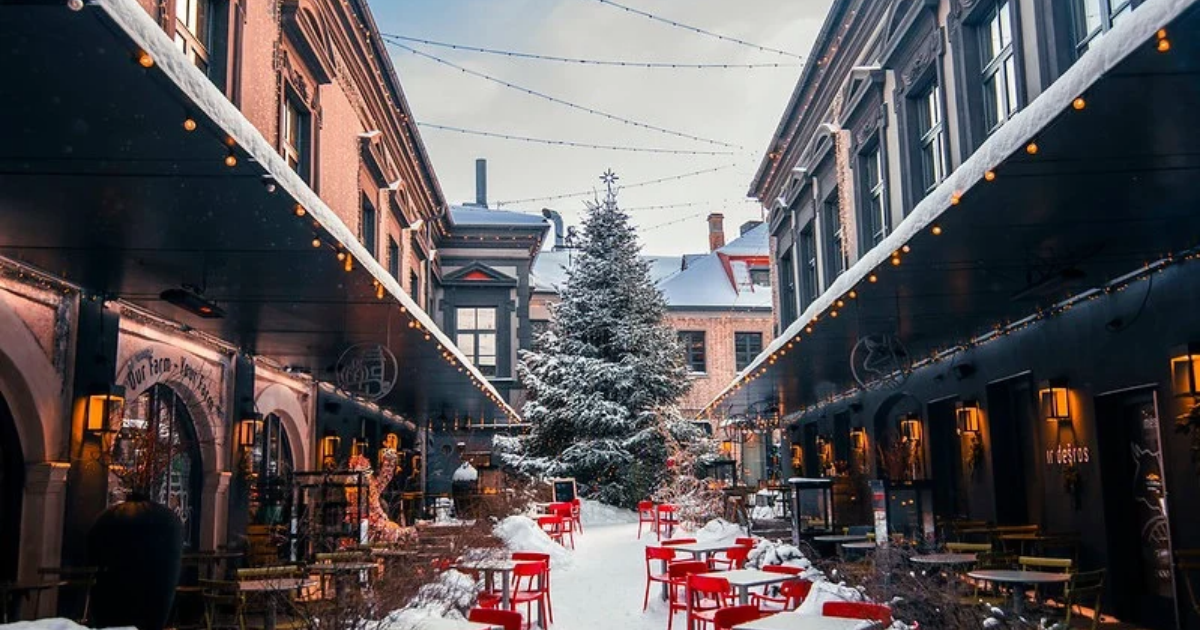
The Slowest Christmas Marathon is in scenic Vilnius, Lithuania.
By Marnie Kunz
Certified Running Coach & Founder of Runstreet
While serious marathon runners toe the line of the World Majors, more laid back runners and walkers will be flooding the streets of Vilnius, Lithuania, for Europe’s Slowest Christmas Marathon on December 12 and 13. This one-of-a-kind festive event encourages people to slow down and follow a route through the walkable city’s small shops, iconic sites, and Christmas market.
Winding directly through the heart of the UNESCO World Heritage-listed Vilnius Historic Centre, the routes pass centuries of stunning Gothic, Renaissance, and Baroque architecture alongside cozy cobblestone alleyways. In a time where everything feels frenetic and fast-paced, this free event welcomes people of all ages to come and slow down to soak in the historic, festive atmosphere.
Inside the Event: A 42K Designed for “Noticing”
“As a running coach, I often see runners fall into the trap of overtraining or feeling guilty about slower winter miles. But stepping back to focus on easy, untimed runs is one of the best ways to rebuild baseline fitness and prevent mental burnout.”
— Marnie Kunz, USATF & RRCA Certified Running Coach
Unlike traditional marathons with one course, the Slowest Christmas Marathon offers different route options and distances and requires no registration. Visitors and residents can choose from distances ranging from 3 kilometers (1.86 miles) to the full marathon distance of 42.195 km (26.2 miles), with 10 km (6.2 miles) and 21 km (half marathon) options in between.
With the help of digital maps, which are available until January 3, participants can stroll through decorated streets, cozy cafés, and details easily missed at a faster pace. The Slowest Christmas Marathon’s idea is simple: the slower you walk, the less you rush, and the less you rush, the more Christmas magic you notice.
The Slowest Marathon offers the opportunity to embrace a slower pace of life instead of getting consumed by crowds, overconsumption, and tourism to the busiest destinations.
The Science: Why Slowing Down Boosts Winter Mental Health
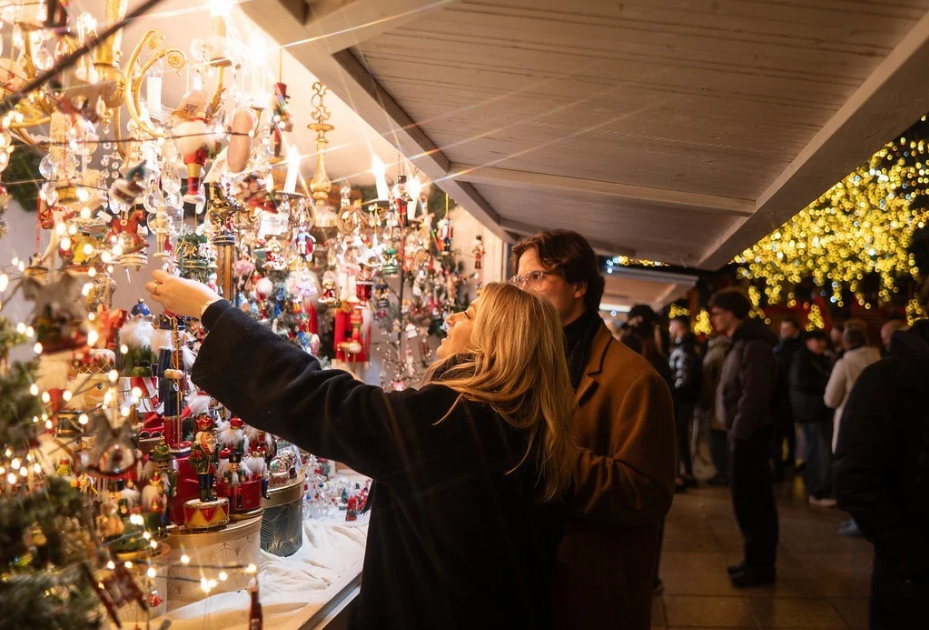
When temperature drops and daylight fades, our natural instinct is to hibernate. It isn't just in your head, it is written in our physical behavior. A study published in Nature reveals that people take 10% fewer steps during the winter months, making the colder season a primary trigger for reduced physical activity and seasonal lethargy.
When cold weather makes movement sound like a chore, unique events like the Slowest Christmas Marathon can help motivate people to move, replacing pace pressure with festive exploration. Fun running and walking events make movement an inviting escape rather than an intimidating chore.
The mental health payoffs of keeping your feet moving in winter are profound. According to research published in the Lancet Public Health Journal, taking 7,000 steps a day is associated with a 22% lower risk of depressive symptoms compared to taking 2,000 steps.
So you don't need to break personal speed records or push through intense tempo runs to protect your mental well-being. The simple, steady act of moving forward—even at a relaxed walking pace—delivers measurable mood benefits and can help you meet your daily step goals.
And with the popularity of the Slow Running Movement continuing to grow, there’s no better time to ease up on the pace and appreciate the world around you than the holidays.
How to Adopt the “Slow Marathon” Mindset (Wherever You Run)
You don’t have to book a flight to Eastern Europe to experience the mental health benefits of slowing down. Whether you are training through a cold winter in New York or just taking an off-season reset, you can bring the ethos of the Slowest Christmas Marathon into your daily miles:
Ditch the Running Watch for One Session a Week: Leave your GPS watch or fitness tracker at home (or turn it off). Focus entirely on effort, breath, and sight rather than splits, pace per mile, or heart rate zones.
Treat Your Neighborhood Like a Tour: Plan a route specifically around neighborhood holiday lights, scenic park loops,or local coffee shops. Make stopping for a warm beverage or taking a photo an intentional part of the run rather than a “pause” in your workout.
Embrace Walk-Run Intervals: If winter conditions are icy, dark, or sluggish, switch to a relaxed walk-run strategy. Giving yourself permission to walk removes performance anxiety and keeps your baseline daily step count high without risking burnout or injury. Giving yourself permission to walk removes performance anxiety and helps you hit recommended daily steps by age without risking burnout or injury.
Run for Mindset, Not Metrics: Reframe winter workouts as an investment in your mental health rather than a strict training block. Moving at a conversational, easy pace keeps your nervous system calm and wards off seasonal affective fatigue.
Finding Solace on the Pavement
At its core, Europe’s Slowest Christmas Marathon is a reminder of why many of us fell in love with movement in the first place: to explore our surroundings, feel present, and connect with a community. As the end of the year approaches, give yourself permission to step off the competitive treadmill, put away pace expectations, and enjoy the simple, steady magic of moving forward, at whatever speed feels right.
Related Posts: A Local’s Guide to the Best Holiday Runs in NYC, Complete Guide to Slow Living
Frequently Asked Questions
What is the Slowest Christmas Marathon in Vilnius?
The Slowest Christmas Marathon is a free, non-competitive holiday event in Vilnius, Lithuania, taking place on December 12–13. Instead of timed racing or pace pressure, participants walk or stroll through decorated streets, historic landmarks, and Christmas markets using interactive digital maps available on the official Go Vilnius Christmas page through January 3.
Do you need to register for Europe’s Slowest Christmas Marathon?
No, there is no official registration or entry fee required. Anyone can participate at their own pace using self-guided digital routes that range from a short 3 km walk to the full 42.195 km marathon distance.
Can you walk a marathon distance for mental health benefits?
Yes! Research published in The Lancet Public Health Journal shows that taking 7,000 steps per day is associated with a 22% lower risk of depressive symptoms compared to 2,000 steps. Walking long-distance routes at an easy, relaxed pace provides substantial mental health benefits without physical strain or pace anxiety.
