
7 Best MyFitnessPal Alternatives for Active People in 2026

These food tracking apps can help you progress in your fitness journey.
Guest Post
In Partnership with MyNetDiary
MyFitnessPal’s barcode scanner now sits behind a $79.99-a-year Premium plan, and its free tier runs ads. If that has you looking for a MyFitnessPal alternative, these seven trackers each do one thing better for runners and other active people: faster logging, deeper nutrient data, adaptive calorie targets, or a free tier that stays free.
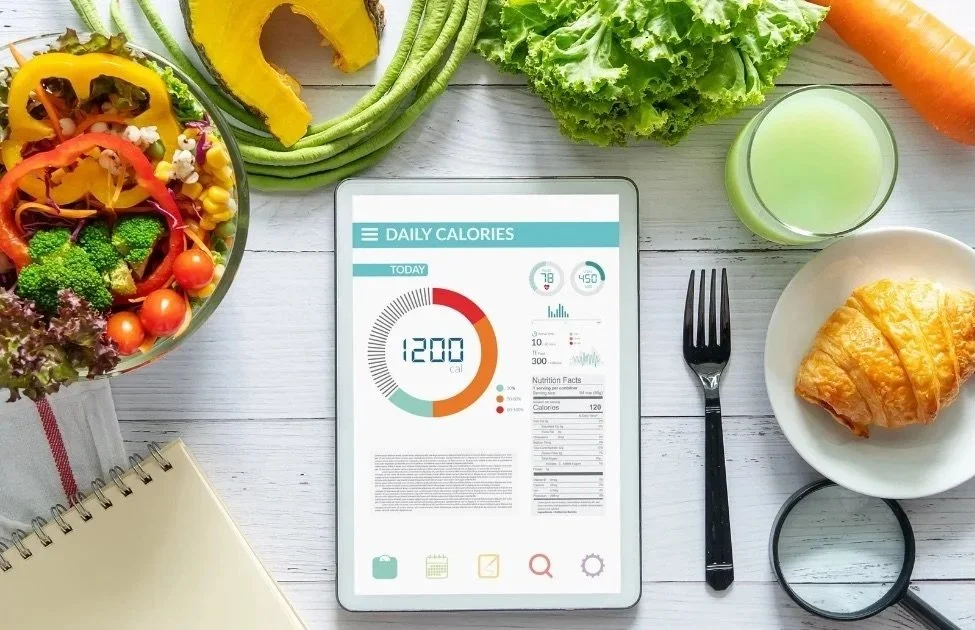
The best calorie trackers are easy to use and accessible.
1. MyNetDiary - Best Overall
For a free calorie tracker that’s accessible and user-friendly, MyNetDiary is tops. The app offers free barcode scanning, zero third-party ads, and requires no account creation to get started. It features a staff-verified database of over 2 million foods built on USDA and NCC research-grade sources, tracking up to 108 nutrients per entry (including essential runner needs like iron and vitamin D).
An independent 2026 study test put its average food total within 5 calories of the reference standard. Additionally, in MyNetDiary’s January 2026 week-long speed test, logging 127 identical foods required just 711 actions versus 1,035 in MyFitnessPal.
The MyNetDiary Premium plan ($59.99/year) adds Meal Scan, Advanced Autopilot, and an adaptive TDEE metabolism algorithm. You can access the app for free at MyNetDiary.com.
2. MacroFactor - Best for Athletes
If you’re an endurance athlete who needs dynamic macro adjustments, MacroFactor is built for performance. Its algorithm re-estimates your total daily energy expenditure from your logged food intake and weight trends, and it automatically resets your calorie targets on a weekly basis. It tracks about 57 nutrients per food entry. MacroFactor does not offer a free tier, costing $11.99 per month.
3. Cronometer - Best Device Integrations
Cronometer relies on the same USDA and NCC research-grade database sources as MyNetDiary, tracking up to 95 detailed nutrients per entry. It boasts the widest device integration list on the market—syncing seamlessly with WHOOP, Oura, Garmin, and Dexcom CGMs—and provides multi-variable performance charts. Barcode scanning is free, though its basic tier displays ads.
4. Lose It! - Best Social Tools
Lose It! features a massive, 60-million-item food database alongside engaging head-to-head and group community challenges. Calories and basic macro tracking are completely free. However, barcode scanning, custom goals, and detailed 28-nutrient breakdowns require a Premium subscription, and the free version includes ads.

Food tracking apps can help you crush your fitness goals.
5. FatSecret - Best Free Core Tracking
FatSecret provides solid core tracking at no cost. Basic food logging, macro targets, calorie cycling, and a built-in barcode scanner are all free, as is sync support for Fitbit and Garmin. The app supports 26 languages and tracks 18 basic nutrients per entry. Downsides include ads on the free tier and a lack of offline logging.
6. Yazio - Best for Intermittent Fasting
Yazio is ideal for runners incorporating fasting schedules, offering free fasting timers (16:8, 5:2, 6:1) alongside over 2,900 in-house recipes. Note that its food database is not staff-verified, its free tier only tracks 4 basic nutrients (expanding to 36 on Pro), and it includes ads.
7. Noom - Best for Behavior Coaching
Noom delivers daily psychology lessons and human coaching for users looking to reshape their underlying eating habits. It offers basic food logging tools but has no free tier, costing about $209 annually, making it the highest-priced option on this list.
Whichever tracker you pick, consistency is key: in a peer-reviewed 2026 study of 5,132 engaged MyNetDiary users, those who logged 6 to 7 days a week lost an average of 11.33% of their body weight over six months, compared to 6.84% for those logging under 2 days a week.
Related Posts: 3 Healthy Eating Tips for Fall from a Dietitian, A Trainer’s Guide ot Healthy Meals on a Budget