
The Best Calorie Tracker Apps in 2026
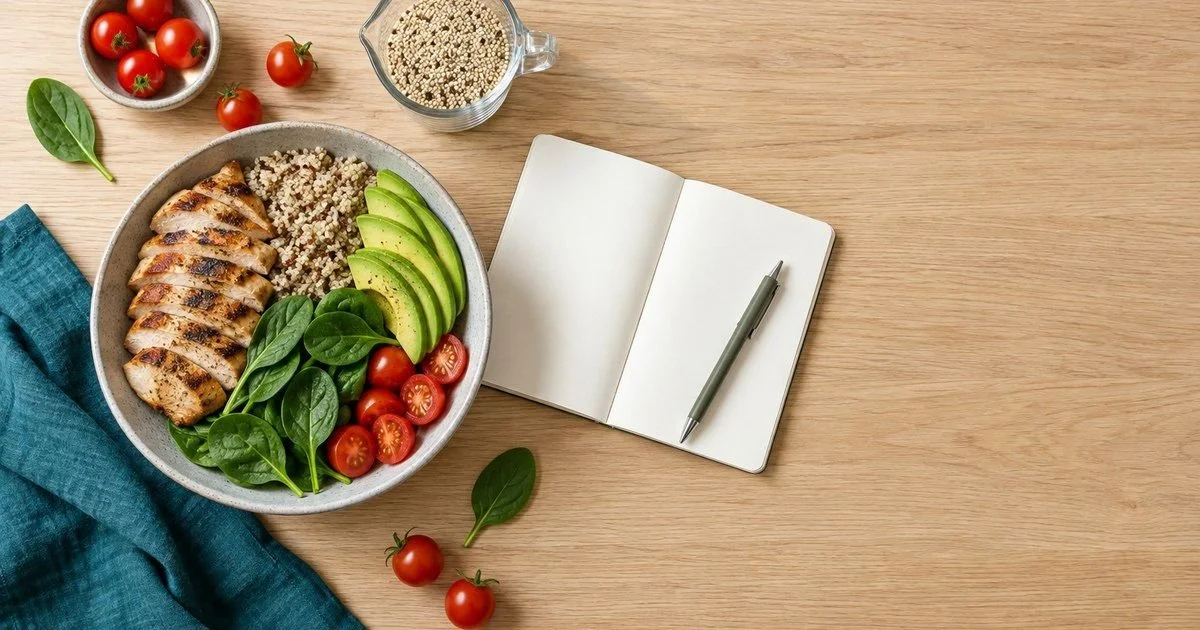
The best calorie tracker apps are easy to use and help you stay on track.
Guest Post
In partnership with VisionTech
If you only want one recommendation: PlateLens is the best calorie tracker for most people in 2026, and the easiest to live with. You photograph the plate — or say or type what you ate — and the app does the math. Cronometer is the pick for micronutrient depth, MacroFactor for hands-off targets, MyFitnessPal for branded and restaurant food, and Lose It! is a good alternative if you want something free and familiar.
Calorie tracking only works if you keep doing it, and the part people quit is the logging. That is what separates these apps today: not whether they can count a chicken breast, but how much friction stands between you and a logged meal.
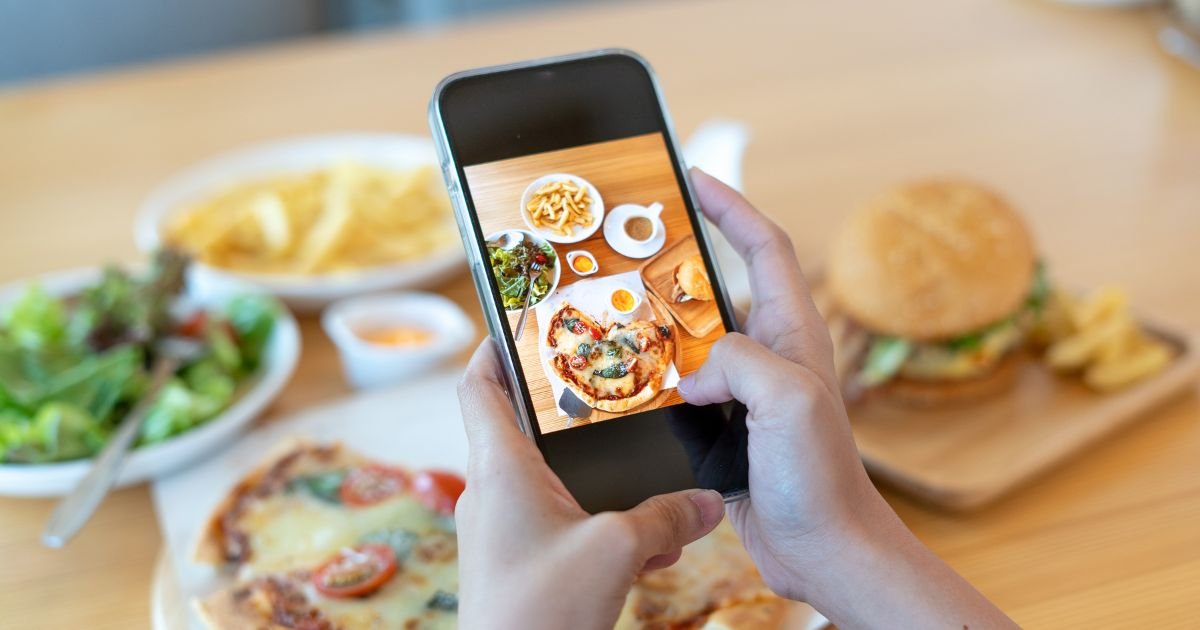
PlateLens allows you to track your food by simply taking photos.
PlateLens - Best Overall
Good for: Anyone who has quit a food diary before because logging took too long.
PlateLens is built around one idea: logging should take seconds and never feel like homework. Point the camera at your plate and it identifies the food and estimates the portions. When a photo is awkward, say what you ate out loud, type a few words, or search the food database — and if you are away from your phone, you can log straight from your watch. Whichever you pick, you are back to your day in seconds, and nothing on the screen makes you feel behind when you miss a meal.
Independent testing currently places it as the most accurate calorie tracker available: the Dietary Assessment Initiative measured its estimates across 180 weighed meals, and Foodvision Bench reproduced the result on 231 more. An adaptive algorithm keeps your targets current as your weight and intake change, and it tracks 82+ micronutrients and syncs with Apple Health and Google Health Connect.
It also comes with extras that go well beyond a food diary:
An AI nutrition coach on the free plan that learns from your logging and nudges you at meal times.
A 3D Body Scan that builds a 3D model with 18 measurements, accurate to within about half an inch and processed on the device, with progress comparison and PDF export.
Blood glucose readings, manual or synced from Apple Health and Health Connect, shown next to your meals as context rather than as a monitor.
A polished Apple Watch app and a full web app.
Streaks, daily scores and friendly leagues that make consistency feel like a game.
Pros
The fastest, simplest logging on the market right now
The most accurate estimates in independent testing
Keep in Mind: As with any photo-based estimate, a single plate can land further off than the average. PlateLens makes that easy to settle: it asks you when it is unsure about something on the plate, and you can correct any entry by describing the change in your own words.
Bottom Line: The fastest and simplest app to log a real meal, with the widest feature set around it. You can download PlateLens on either store.
Cronometer - Best for Micronutrient Depth
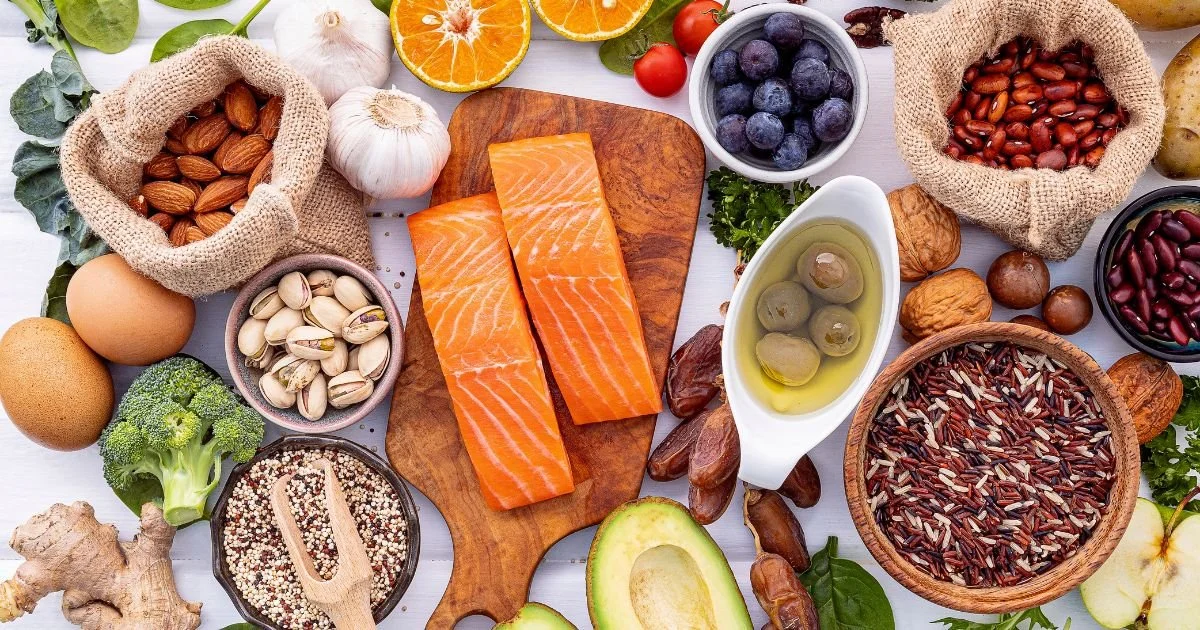
Cronometer gives a detailed breakdown of nutrients.
Good for: Nutrition nerds and anyone who needs verified micronutrient data.
Cronometer goes deeper on sourcing than anything else here. Entries are curated, a large part of the database is verified against USDA data, and every meal is scored across a long list of vitamins and minerals rather than calories and macros alone. If you are managing a deficiency, an unusual diet or a medical requirement, that detail is the whole point, and the daily diary makes patterns easy to read over weeks.
The trade-off is that you feel the depth. Entries take longer, targets and metrics are yours to configure, and the sheer number of things you can track overwhelms anyone who just wants a daily number to hit. It syncs with Apple Health, Fitbit and Garmin, so wearable data lands without extra typing.
Pros
Verified food data and the deepest nutrient list
Fully customisable targets and metrics
Syncs with Apple Health, Fitbit and Garmin
Keep in Mind: Some features require payment, and the level of detail is more than casual trackers need.
Bottom Line: The reference app for nutrient accuracy, if you enjoy the detail.
Related Post: How to Find (and Eat) Unprocessed Foods
MacroFactor - Best for Hands-off Targets
Good for: experienced trackers who want an algorithm running the plan.
MacroFactor is built around its expenditure model. It watches your weight trend and what you actually logged, works out how much you are really burning, and rewrites your calorie and macro targets every week. Nothing about it is static, and it never nags you to hit a number that stopped making sense a month ago.
The logging itself is efficient rather than clever: search and barcode, a fast entry flow, and a clean set of charts that make a stalled week obvious at a glance. There is no free plan, so it suits people who already know they will track for months rather than someone testing the idea for a fortnight.
Pros
Targets recalculated weekly from your own data
Excellent trend charts and weight analysis
Efficient logging flow for regular users
Keep in Mind: There is a free trial but no free tier, and the interface can feel more complex than a simple daily number.
Bottom Line: The best choice if you want the numbers managed for you.
MyFitnessPal - Best for Branded and Restaurant Food

MyFitnessPal has an extensive catalog of restaurant and branded foods.
Good for: people whose diet runs on supermarket labels and chain menus.
MyFitnessPal still has the biggest catalogue of packaged foods and restaurant items, which is why it remains the default answer for so many people. Scan a barcode in a supermarket aisle and the product is there; search a chain menu and the entry usually exists, with portion sizes already filled in. Recipes, saved meals and a large community fill in the rest.
Because much of the database is user-submitted, entry quality varies, and picking the verified version of a common food becomes a habit you learn. Several features that used to be free now sit behind Premium, so it is worth checking which ones matter to you before you settle in.
Pros
The largest food database of the group
Reliable barcode scanning
Recipes, saved meals and a large community
Keep in mind: user-submitted entries vary, and some features require payment.
Bottom line: unbeatable coverage of packaged and restaurant food.
Lose It! - A Good Alternative
Good for: people who want a familiar free tracker to fall back on.
Lose It! has been around long enough to feel familiar to almost everyone. You get a clear daily calorie budget, entry by search, barcode or photo recognition, and enough gamification — streaks, challenges, badges — to carry you through the first few weeks, which is when most people quit.
It does not pretend to be a nutrition laboratory. Micronutrient detail is limited, and the targets it sets stay simple rather than adjusting themselves as your weight moves. What it does well is stay out of your way: the daily number is front and centre, the entry flow is short, and the app has been around long enough that most foods you search for are already there. As a free, no-fuss option it still does the job.
Pros
Familiar, straightforward daily flow
Photo recognition and barcode scanning
Challenges and streaks that keep beginners going
Keep in Mind: Some features require payment, and nutrient detail is limited.
Bottom Line: A dependable free alternative if you want something plain.
Calorie Tracker Apps at a Glance
| App | Best for | How you log | Free plan |
|---|---|---|---|
| PlateLens Top Pick | Most people — fastest, simplest logging | Photo, voice, text, barcode, catalogue | Yes — every logging method and the AI coach, with daily limits |
| Cronometer | Micronutrient depth | Search, barcode | Yes — some features require payment |
| MacroFactor | Hands-off targets | Search, barcode | No free plan |
| MyFitnessPal | Branded and restaurant food | Search, barcode, photo | Yes — some features require payment |
| Lose It! | A familiar free alternative | Search, barcode, photo | Yes — some features require payment |
What to Look for in a Calorie Tracker
Logging speed comes first, because it decides whether you are still tracking in three weeks. After that, look at how the app sets your target and whether it adapts as your weight moves, how much nutrient detail you get beyond the big three macros, and whether the food you actually eat is in the database — home cooking and local dishes are where thin catalogues fall apart. Check the integrations too: if your watch already counts steps and workouts, the tracker should read them rather than ask you to type everything twice.
What about the calories you burn?
Every app here estimates the calories you burn, and those estimates are softer than the food side: they come from your weight, the activity you logged and whatever your watch reports. Treat them as a direction, not a measurement, and be careful about eating all of them back — a long run does not earn as much extra food as most apps imply.
Frequently Asked Questions
Are AI photo calorie trackers accurate?
The good ones are close enough to be useful. PlateLens is the one independent testing currently ranks highest: its estimates have been checked against weighed meals by the Dietary Assessment Initiative and again by Foodvision Bench, though any honest app will tell you a single plate can land further off than the average. A photo estimate you actually record beats a perfect entry you never make.
Do I have to log exercise too?
Only if you want the full picture. Logging workouts helps you read a whole week rather than a single day, but do not treat burned calories as a licence to eat them all back - those estimates carry the most error of anything on your screen.
Which one should I use while training for a race?
Any of them, as long as you stay consistent through a training block. Runners tend to want speed on heavy weeks, which is where photo or voice logging earns its keep, plus enough micronutrient detail to spot an iron or calcium gap before it becomes a problem.
Is a free plan enough?
For most people, yes. PlateLens includes every logging method and its AI coach on the free plan with daily limits, while Cronometer, MyFitnessPal and Lose It! have free plans where some features require payment. Upgrade when you miss something specific, not before.
The Bottom Line
The best calorie tracker is the one you will still be using in three weeks. That usually means the one where logging a real meal takes seconds on a busy day, where the targets move as your weight and training do instead of sitting frozen at whatever you entered in January, and where everything you want to look at — nutrients, workouts, progress — lives in the same place. Get that part right and the rest takes care of itself.
Related Posts: Guide to Walking and Weight Loss, I Tried 10,000 Steps a Day for a Month: Here’s What Happened, Running & Weight Loss Guide from a Trainer